
Carl Zimmer wrote an interesting piece recently on “hardy relicts”. “Relict” species or populations are those that are left behind as all the other populations or individuals of a species die off.
Read More »
Category: Nature
Caterpillar eyespots
For the past 18-or-so months, Tom Hossie, a PhD student working in the same lab as me, has been carrying out research into caterpillar eyespots. This is an absolutely fascinating area of research, not only because it involves looking at pretty animals, but because there are so many unanswered questions to investigate. Here’s an example of the kind of caterpillar that sparked his interest in this topic:
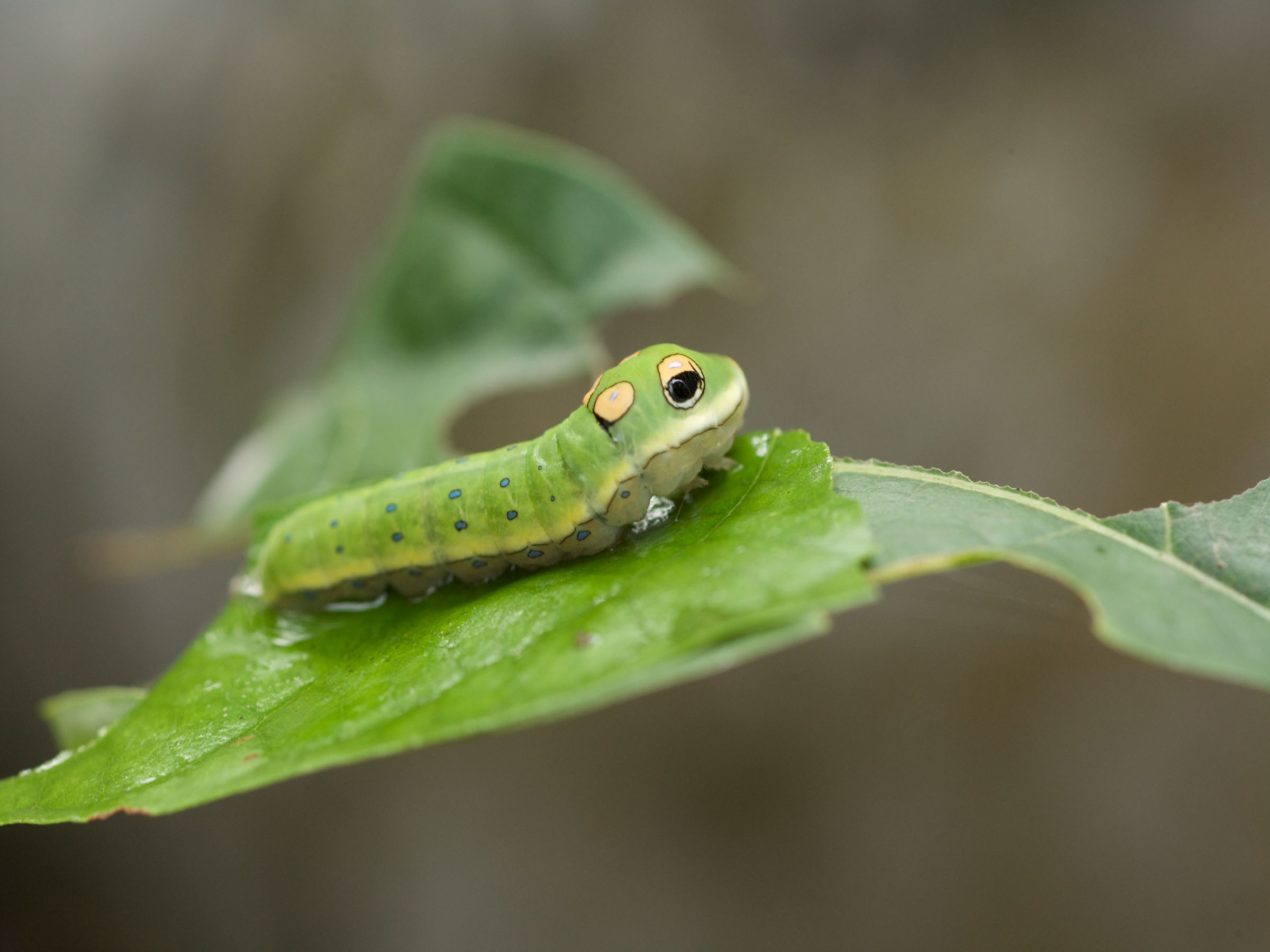
The little guy even looks like he has eyelids! Tom is seeking to answer as many questions as possible during his 3-4 year PhD and has made a roaring start with an extensive field study that will hopefully be published soon (I’ll blog about that once it is in print!). I’d highly recommend checking out his blog (http://caterpillar-eyespots.blogspot.com) for more details about the project and eyespots in general! He has lots of excellent photos from his current trip to Costa Rica.
How cryptozoology could actually do some good
I have posted a few times about “cryptids” and mentioned that the study of cryptids is called “cryptozoology”. This has been very much a fringe science ever since its inception in the 1940s. The disparagement has resulted from an over-reliance on anecdotal evidence and what some would call an “overabundance of credulity”. What I am going to discuss here is not so much pure cryptozoology as the concepts that underpin it.
Read More »
Dragonflies vs. damselflies
So, I get asked all the time “what’s the difference between dragonflies and damselflies?” Here is my response:
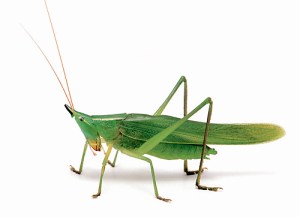
The weird and wonderful world of katydids
The katydids (or, as my compatriots and I know them better, the bush-crickets) can probably lay claim to a number of titles in the animal world. Here are just a few:
Read More »
A trip to Pink Lake, Gatineau Park
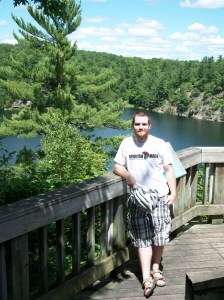
A few weeks ago I cycled up into Gatineau Park, just outside of Ottawa in Quebec. It’s nice having wilderness this close to the city, even if I don’t use it enough! My target was Pink Lake, about 8km inside the park boundary and that made for a 30km round trip. It’s hard work getting there (the lookout in the photo is about 120m or 400 feet above when I started) but good fun free-wheeling most of the way home. I didn’t know anything about the lake (there are a lot of them around and I assumed it was just like the others). However, when I saw the interpretation signs at the site I noticed it was “meromictic”. What this means is that the lake waters never entirely mix and it produces a fairly special environment for life. The signs gave some information about the biological implications which I thought I would share.
 Katatrepsis